April 18, 2026
Leading Animation on Tony Hawk's Pro Skater 3+4
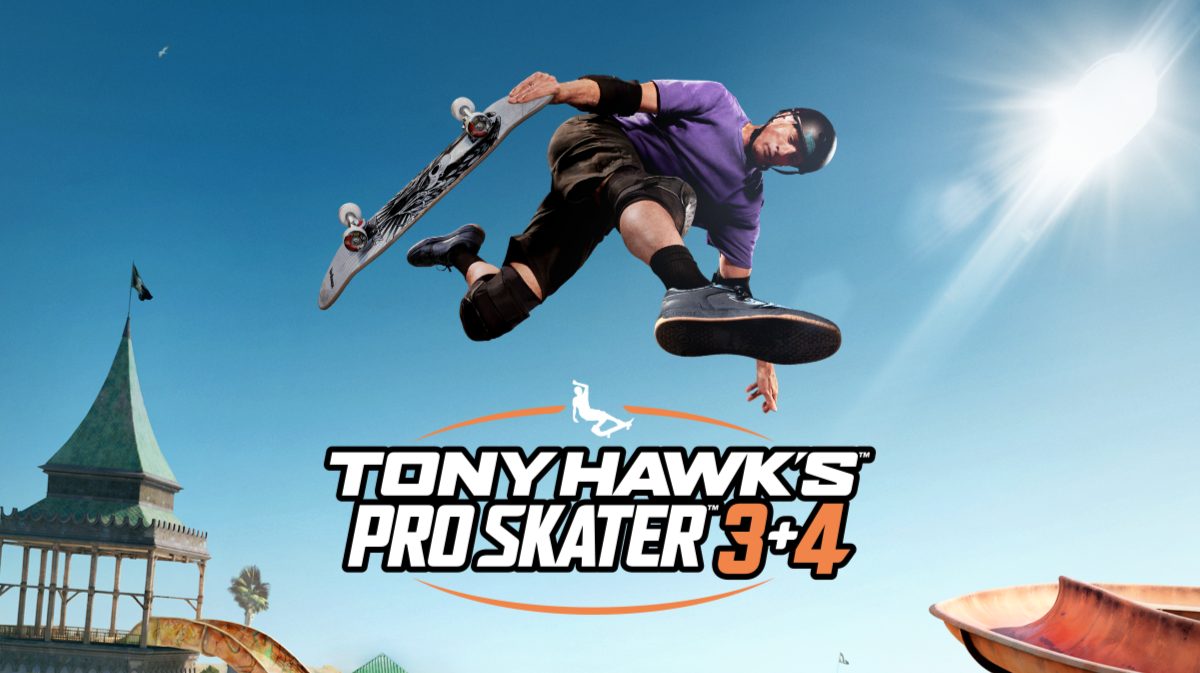
When Iron Galaxy took on Tony Hawk's Pro Skater 3+4, we were working with source material that carried significant player expectations. Titles 3 and 4 are fan favorites of the original series, and recreating them faithfully was at the forefront of every lead's mind on the project. As Lead Animator, I was responsible for the animation direction — overseeing a team that grew from two to three as production scaled, and collaborating across design, engineering, and character teams to get it there.
The NPC Gap
A few weeks into pre-production — before the rest of my animation team had come on board — I caught a gap that hadn't been scoped for: NPCs. While logging animations needed for the skitching feature, I was watching footage of a skitching goal from THPS 4 and noticed it featured an NPC. The original games leaned heavily on NPCs as part of the backbone of park gameplay, and we had nothing in place to support them — no scope, and no inherited tech that could help. I raised it in the next leads meeting with my production and design leads, and we determined the best path forward was to adapt an existing system to generate the volume of NPCs the game needed. I pushed for a mocap shoot to fill out their motion library and requested an additional animator to handle the workload. Staffing with mocap expertise had been a priority when I hired my mid-level animator at the project's start — his background proved directly useful here. My design lead suggested we pilot the approach on a single park goal before committing at scale, which was the right call — it surfaced tech gaps early and gave us real data to update the production roadmap before the rest of the team joined.
Facial Animation Development
The inherited project had no meaningful facial animation in the Frontend — a reasonable call by the previous team given the resources required to implement it while building the entire game from scratch. With that foundation in place, I worked closely with the technical art team to rebuild it into something workable, then developed the pipeline for creating facial expressions and animations in the Frontend myself. That groundwork paid off mid-production when Mikey from TMNT was added to the roster. Facial expressiveness is central to his identity, and delivering on that required looping in engineering and design to extend facial animation support into gameplay as well. Having already built the foundation, I drove that conversation and saw it through to implementation.
Team Development and Philosophy
Developing that kind of ownership in the people around me was something I actively worked at. My mid-level animator regularly participated in playtests and flagged issues across animation, art, and design — not because it was his job, but because he'd taken ownership of the project's quality. I kept a running list of his observations and shared them with my design and production leads as we moved into the final phase. By the end of production I felt comfortable handing him full ownership of a new park goal developed specifically for the reboot — he worked directly with design to shape the cinematic experience, animated it himself, and contributed his own suggestions for what would make it fun.
My art director told me more than once that he felt comfortable being hands-off with me in a way he wasn't with every lead — not because I didn't need support, but because he trusted me to flag problems before they became his problems. That's how I think about the lead role. The job isn't just to execute at a high level — it's to have enough awareness to catch what's missing, enough ownership to drive the solution, and enough investment in your team that they start doing the same.